
Choosing Calcium Over Salt for Safer Snow Melting


Understanding the Basics of Snow Melting Agents
When winter arrives, icy sidewalks and driveways become a common concern. Traditionally, salt has been the go-to solution for melting snow and ice. However, while effective, salt can have some significant drawbacks. This has led many homeowners and municipalities to consider alternatives such as calcium chloride. Understanding the differences between these agents is crucial for making an informed decision.
Salt, or sodium chloride, is widely used due to its low cost and availability. However, it can cause corrosion to vehicles, damage concrete surfaces, and harm the environment. Calcium chloride, on the other hand, offers a safer and more efficient alternative for snow melting.
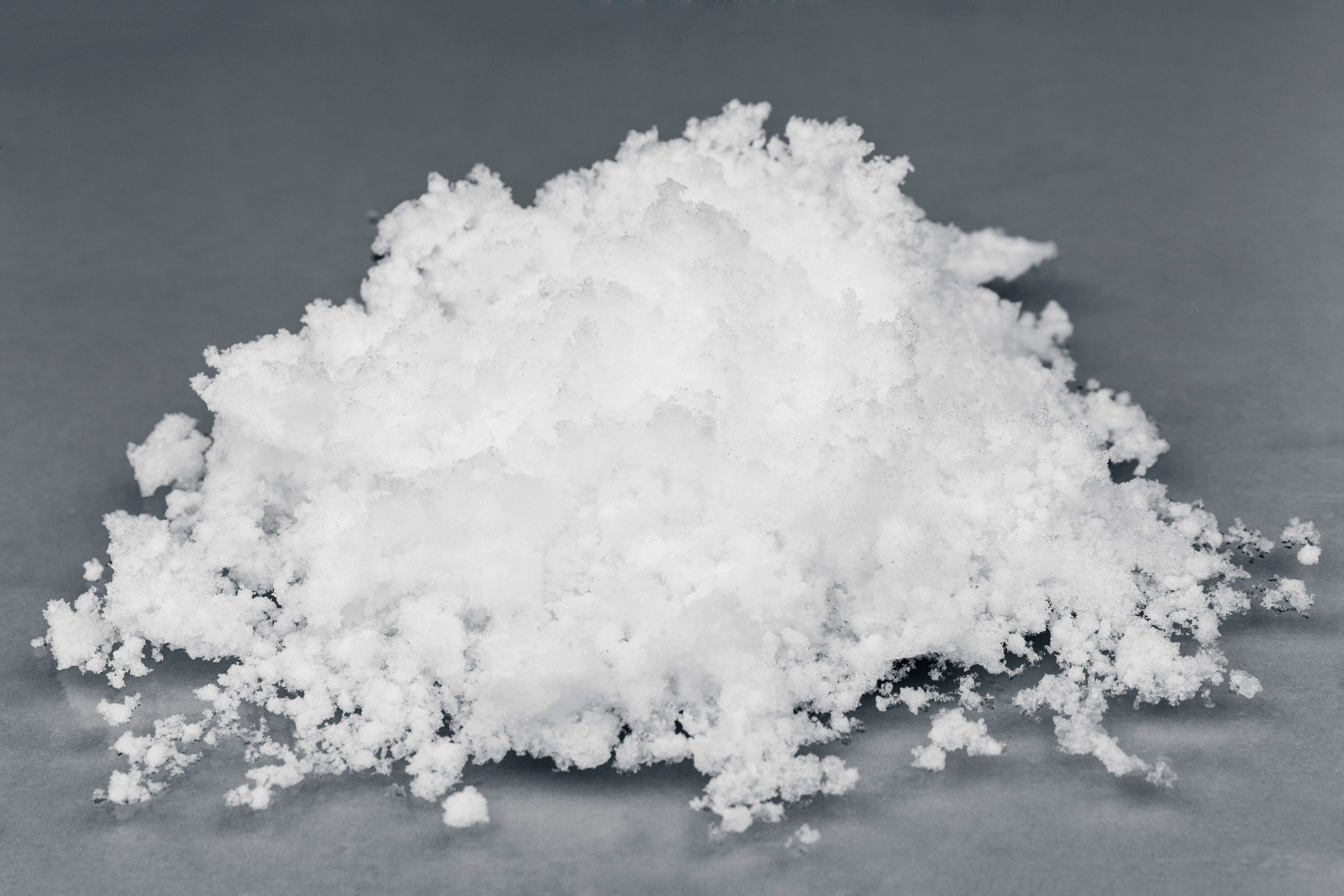
The Advantages of Choosing Calcium Chloride
Calcium chloride is often preferred over salt for several reasons. First and foremost, it is effective at lower temperatures. While salt becomes less effective below 20°F, calcium chloride can work in temperatures as low as -25°F, making it ideal for extremely cold climates.
Moreover, calcium chloride is less corrosive than salt, which means it poses less risk to vehicles and infrastructure. This can result in long-term savings on maintenance and repair costs.
Environmental Impact
Another significant advantage of calcium chloride is its reduced environmental impact. Unlike salt, which can increase soil salinity and affect plant life adversely, calcium chloride is less harmful to vegetation when used appropriately. This makes it a more sustainable choice for eco-conscious individuals.

Cost Considerations
While calcium chloride generally costs more upfront than salt, it offers long-term financial benefits. Its efficiency at lower temperatures means you may need to use less product overall, and its reduced corrosiveness can save on vehicle and infrastructure maintenance costs.
When evaluating the cost, it's essential to consider both the immediate expenses and the potential savings in the future.
Choosing the Right Product
When selecting a snow-melting agent, consider factors such as climate, application area, and budget. For those in areas with severe cold, the investment in calcium chloride can be worthwhile. However, for regions with milder winters, a combination of salt and calcium chloride might be cost-effective.
Application Techniques
To maximize the effectiveness of calcium chloride, proper application is critical. It is often recommended to apply the product before snow begins to fall to prevent ice from bonding with the surface. Additionally, using the right amount is crucial to ensure safety and minimize environmental impact.
Many products come with guidelines on how much to use per square foot, which can help in applying the correct amount.
Conclusion
Choosing calcium over salt for snow melting is a decision that balances cost, efficiency, and environmental impact. While the initial investment might be higher, the benefits of using calcium chloride can outweigh the costs, especially in colder climates and sensitive environments. As winter approaches, consider making the switch for a safer and more sustainable snow removal solution.